
While often confused, cloud based phone system vs VoIP options represent different approaches to modern business phone solutions.
VoIP (Voice over Internet Protocol) is the underlying technology that converts voice to digital data, available in on-premise or hosted formats requiring hardware and IT management.
Cloud-based phone systems use VoIP technology but deliver it as a fully managed service with no hardware requirements, instant scalability, and automatic updates.
Cloud systems typically offer better features, easier management, and lower total costs, making them ideal for most modern businesses. VoIP suits companies preferring hardware control and having dedicated IT resources.
Overview
In today’s digital landscape, businesses are rapidly abandoning traditional landlines in favour of modern communication solutions.
However, many decision-makers find themselves confused when comparing cloud based phone system vs VoIP options.
Whilst these terms are often used interchangeably, they represent distinct approaches to business phone solutions with different implications for cost, functionality, and scalability.
Understanding these differences is crucial for making an informed decision that aligns with your business needs, budget, and growth plans.
This guide will clarify the key distinctions and help you choose the right communication solution for your organisation.
Understanding VoIP Systems
Voice over Internet Protocol (VoIP) is a technology that converts voice signals into digital data packets transmitted over the internet.
Instead of relying on traditional copper phone lines, VoIP uses your existing internet connection to handle voice communications, typically resulting in significant cost savings for long-distance and international calls.
Types of VoIP Deployments

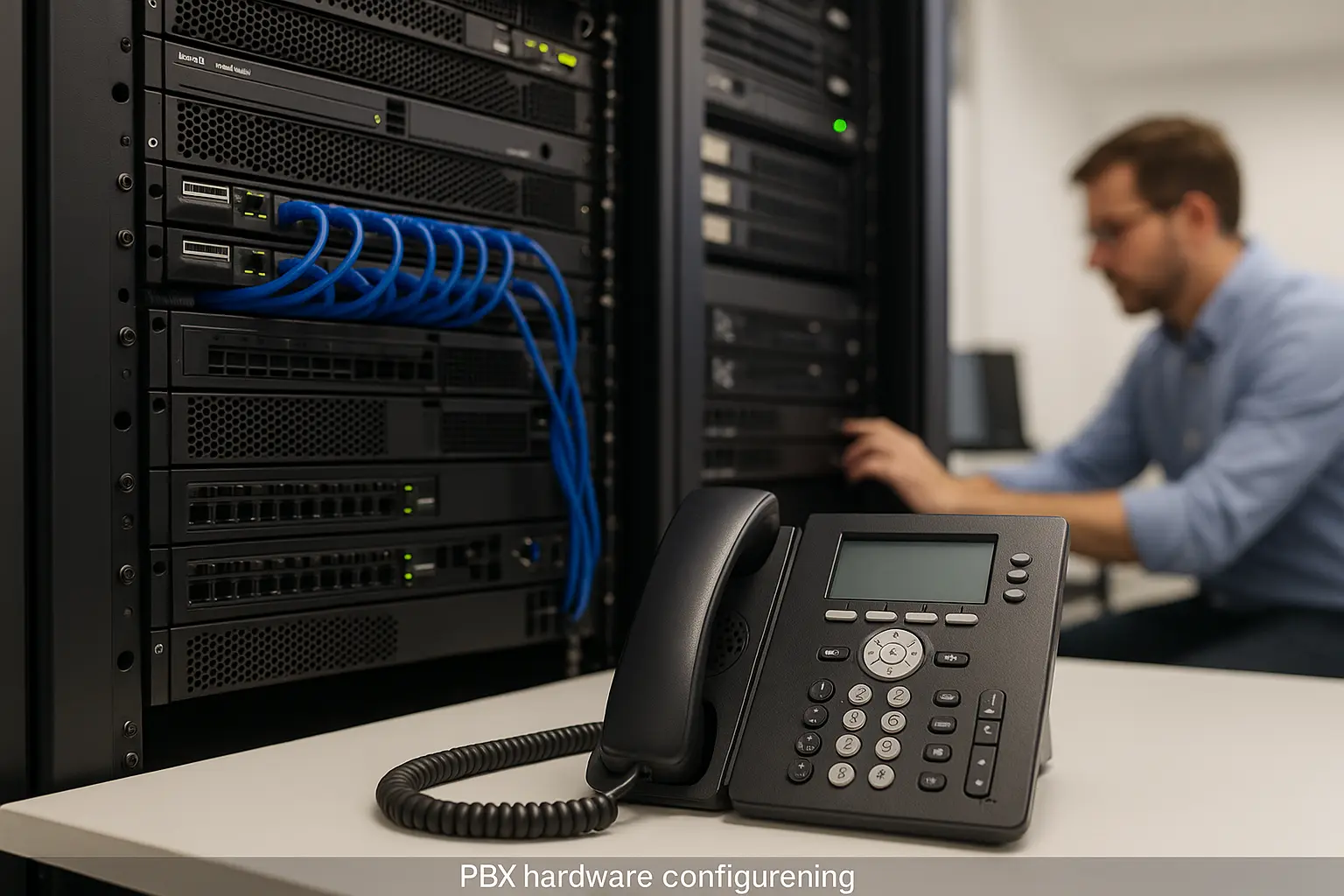
On-Premise VoIP Systems require you to purchase and maintain hardware like Private Branch Exchange (PBX) servers, IP phones, and networking equipment.
Your IT team handles installation, configuration, updates, and ongoing maintenance.
Whilst this approach offers maximum control over your phone system, it demands significant technical expertise and upfront investment.
Hosted VoIP Systems shift the hardware burden to a third-party provider who manages the PBX infrastructure remotely.
You still use VoIP technology, but the provider handles server maintenance, updates, and technical support.
This reduces your on-site hardware requirements whilst maintaining the core VoIP functionality.
Both deployment types offer standard features like call forwarding, voicemail-to-email, conference calling, and basic integration capabilities.
However, the feature set is often limited by the underlying hardware capabilities and requires manual updates to access new functionality.
Understanding Cloud-Based Phone Systems
Cloud-based phone systems represent a modern approach to business communications built on Software as a Service (SaaS) principles.
Unlike traditional VoIP deployments, these systems run entirely in the cloud across multiple data centres, providing unprecedented reliability and scalability.
What Makes a System "Cloud-Based"?
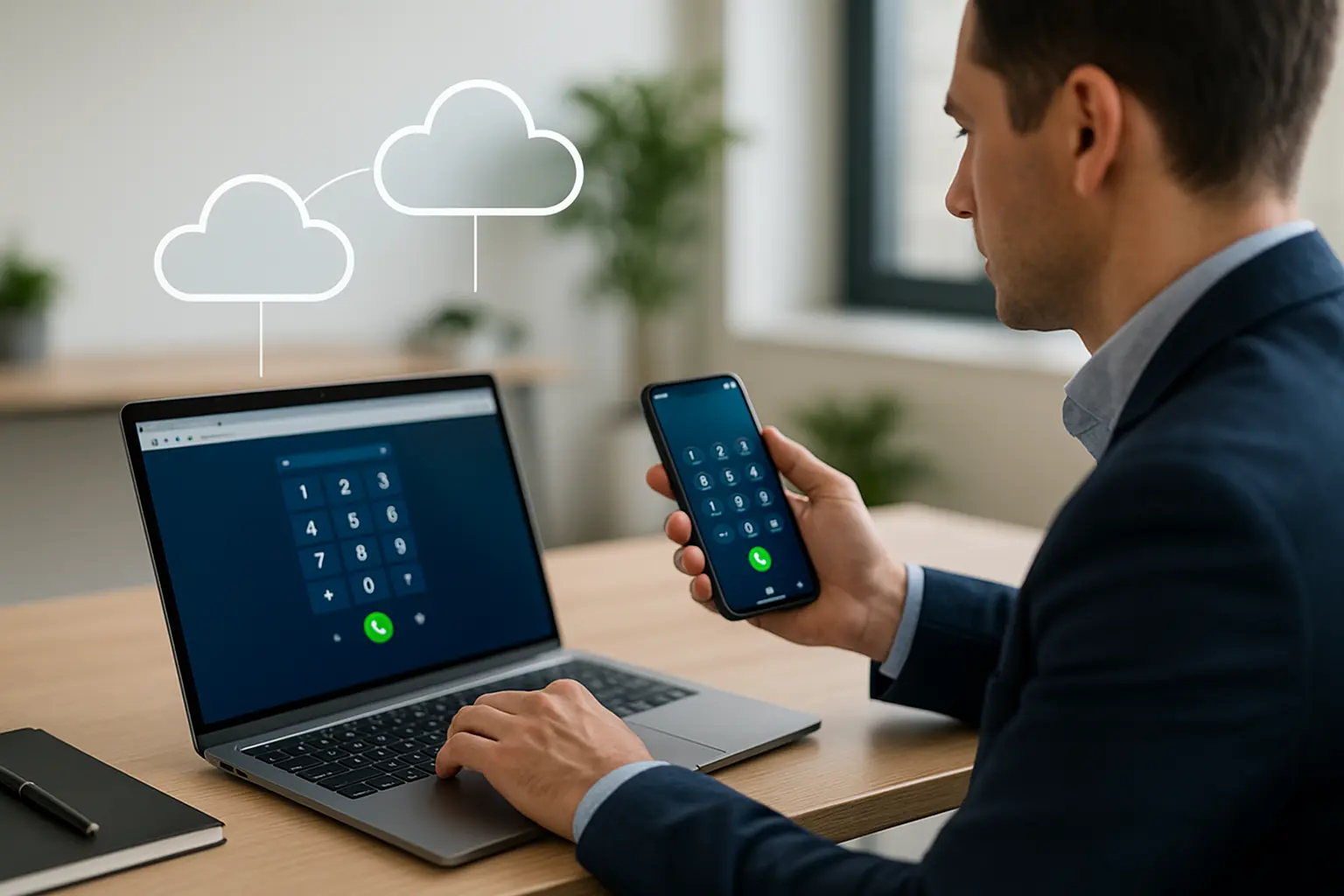
True cloud-based systems require no on-site hardware beyond internet connectivity and compatible devices (which can include smartphones, computers, or IP phones).
The entire phone system infrastructure lives in secure, redundant data centres managed by the provider.
Users access features through web browsers or mobile apps, making setup and management remarkably simple.
Key Cloud Capabilities
Cloud-based systems excel in areas where traditional VoIP falls short. They offer instant scalability, adding or removing users takes minutes, not hours or days.
Advanced features like AI-powered auto-attendants, sophisticated call routing, real-time analytics, and comprehensive business application integrations come standard.
These systems are designed for today’s mobile workforce, providing seamless experiences whether employees work from the office, home, or anywhere with internet access.
Features automatically synchronise across devices, ensuring consistent functionality regardless of location.
The Critical Differences
Infrastructure and Setup
The VoIP vs cloud based phone system debate often centres on infrastructure requirements. Traditional VoIP systems require careful planning, hardware procurement, and technical implementation.
Even hosted VoIP solutions need configuration and setup time.
Cloud-based systems eliminate these complexities. Setup typically involves creating user accounts, downloading apps, and configuring basic settings through an intuitive web interface.
Most businesses can be operational within hours, not weeks.
Cost Structure
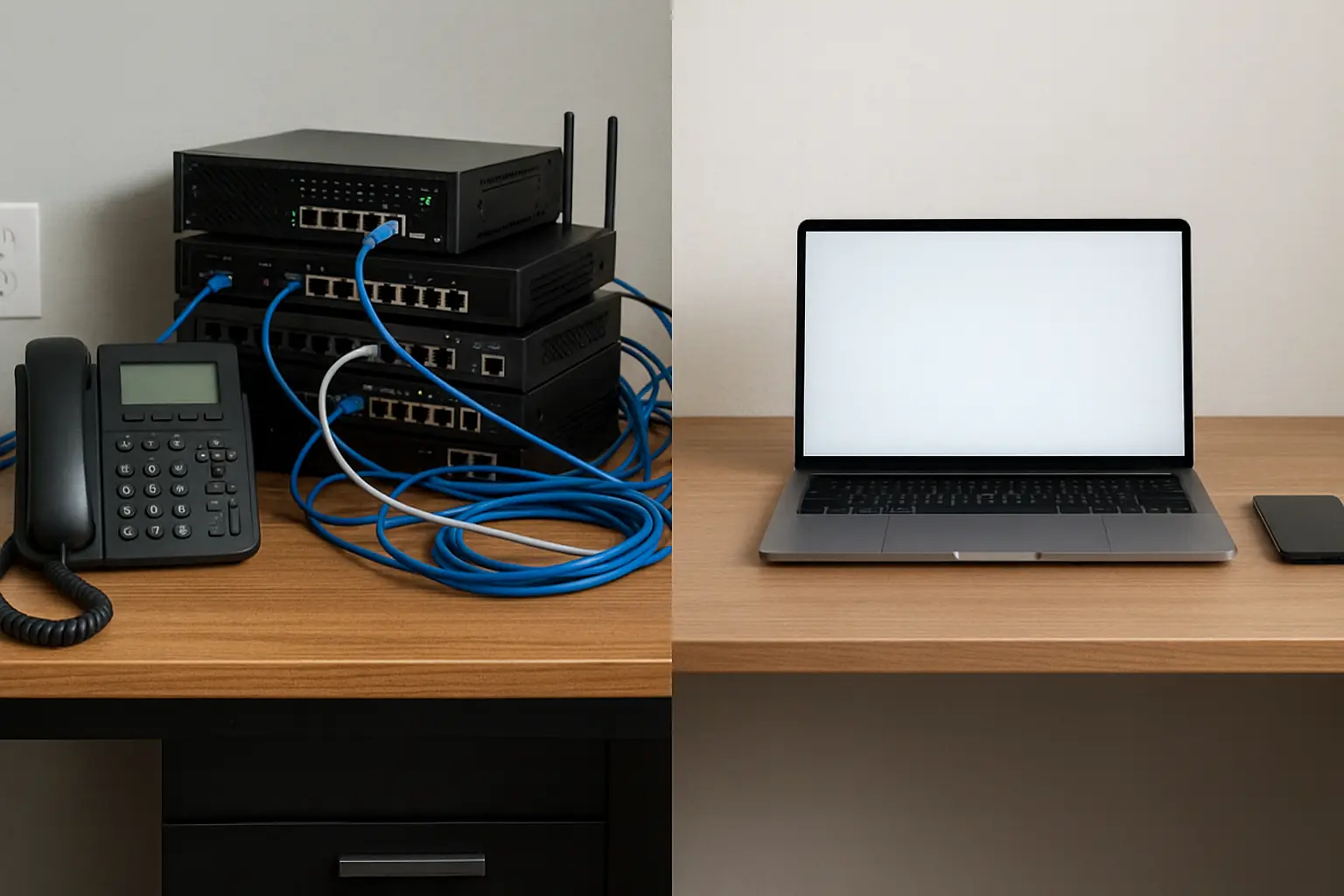
VoIP systems often appear cheaper initially, especially for on-premise deployments. However, total cost of ownership tells a different story.
On-premise VoIP requires upfront hardware investments, ongoing maintenance costs, periodic upgrades, and dedicated IT resources.
Hosted VoIP reduces some of these expenses but still involves setup fees and potential hardware costs.
Cloud-based systems use predictable monthly subscription pricing that typically includes all features, updates, and support.
Whilst the monthly cost might seem higher, the absence of hardware investments, maintenance expenses, and upgrade costs often results in lower total cost of ownership over time.
Features and Innovation
Traditional VoIP systems often lag in feature innovation. New capabilities require hardware upgrades or complex software updates.
Cloud-based systems deliver new features automatically as part of the service, ensuring your communication tools stay current with business needs and technological advances.
Advanced features like call analytics, integration with CRM systems, AI-powered insights, and sophisticated mobile capabilities are standard in cloud solutions but often unavailable or expensive add-ons in traditional VoIP deployments.

Scalability and Management
Traditional VoIP systems are constrained by hardware capacity. Adding users beyond your system’s limits requires additional hardware purchases and configuration.
Seasonal fluctuations or rapid growth can create expensive scaling challenges.
Cloud-based systems scale instantly. Adding 50 users takes the same effort as adding five users: a few clicks in an admin panel.
This flexibility proves invaluable for businesses with fluctuating staffing needs or aggressive growth plans.
Management complexity also differs significantly. VoIP systems require technical expertise for configuration changes, troubleshooting, and maintenance.
Cloud systems provide user-friendly admin interfaces that business managers can navigate without extensive technical training.
Quick Comparison Checklist
✅ Choose Cloud-Based When You Need:
- Quick setup (hours, not weeks)
- No hardware management or maintenance
- Instant scalability for growth or seasonal changes
- Advanced features like AI, analytics, and mobile apps
- Support for remote and hybrid workers
- Predictable monthly costs with no hidden fees
- Automatic updates and new feature rollouts
- Professional-grade reliability and uptime
✅ Choose Traditional VoIP When You Have:
- Existing phone system infrastructure to leverage
- Dedicated IT team for hardware management
- Preference for one-time hardware investments
- Specific control requirements over data and hardware
- Regulatory compliance needs for on-premise solutions
- Limited internet bandwidth for cloud services
Which System is Right for Your Business?
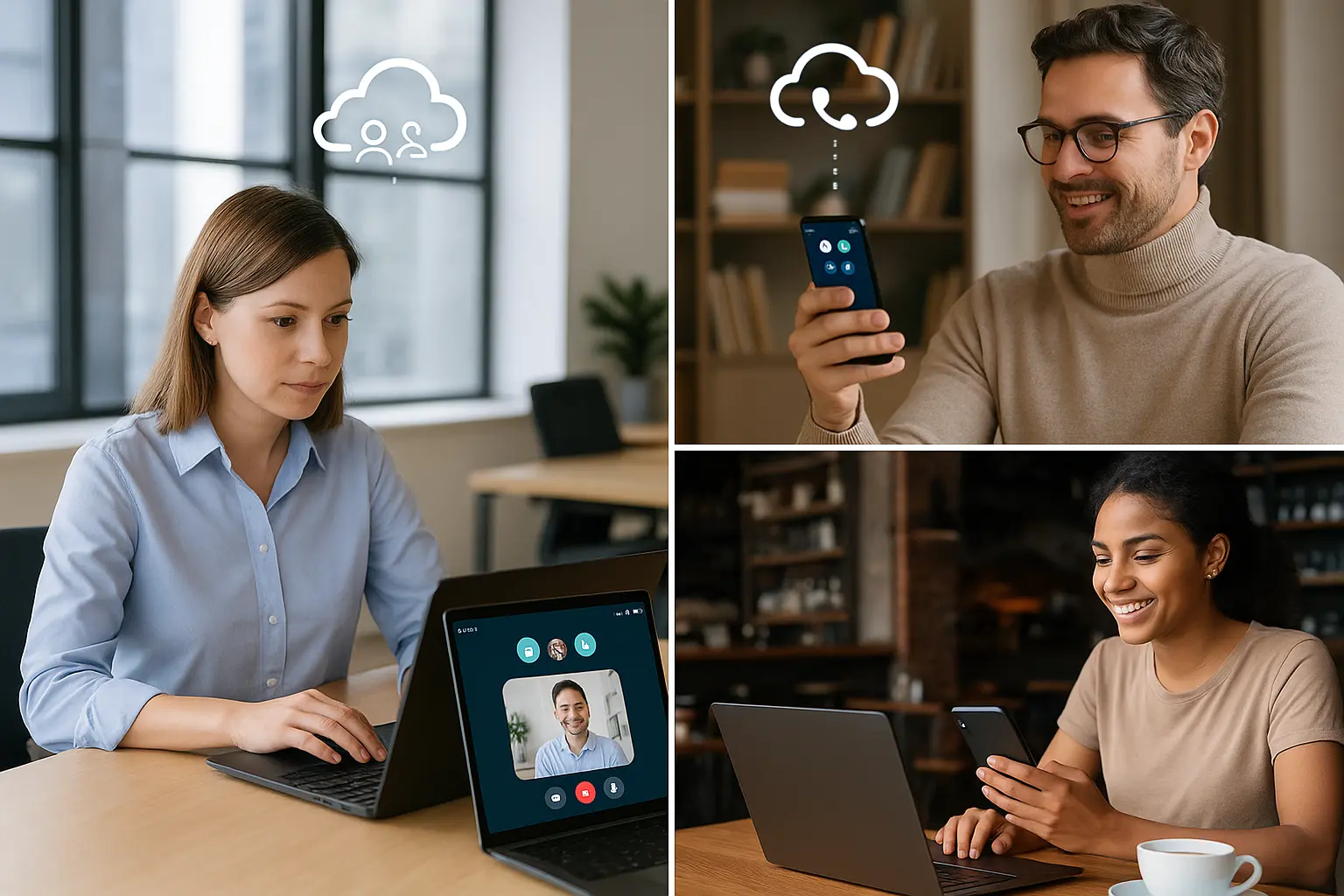
Scalability and Management
| Business Profile | Traditional VoIP | Cloud-Based System |
|---|---|---|
| Best for | Companies with existing infrastructure, dedicated IT teams, regulatory compliance needs | Businesses wanting simple setup, remote work support, rapid scaling |
| Investment Style | Prefer upfront hardware purchases | Prefer predictable monthly subscriptions |
| IT Resources | Have dedicated telecommunications expertise | Limited IT resources or prefer managed solutions |
| Control Requirements | Need full control over hardware and data | Comfortable with provider-managed infrastructure |
| Growth Pattern | Stable staffing with predictable needs | Rapid growth or seasonal fluctuations |
| Work Environment | Primarily office-based operations | Remote, hybrid, or mobile workforce |
Business Size Considerations
| Business Size | Recommended Solution | Key Reasons |
|---|---|---|
| Small (1-25 employees) | Cloud-Based | Lower barriers to entry, reduced complexity, no IT overhead |
| Medium (26-250 employees) | Evaluate Both Options | Consider IT capabilities, growth plans, and control preferences |
| Large (250+ employees) | Hybrid Approach | Cloud for flexibility, on-premise for specific control requirements |
Implementation and Cost Considerations
True Cost Analysis
When evaluating business phone solutions, consider total cost of ownership beyond monthly fees.
VoIP systems often include hidden costs like hardware maintenance, software licences, IT staff time, and periodic upgrades. These expenses can accumulate significantly over time.
Cloud-based systems offer transparent pricing with costs typically covering all features, updates, and support.
Whilst monthly expenses are predictable, calculate the long-term subscription costs against your budget planning.
Migration Planning
Successful implementation begins with assessing your current communication needs and pain points. Cloud migrations typically require less technical planning but benefit from user training on new interfaces and features.
VoIP implementations need careful technical planning and may require more extensive staff preparation.
Most cloud providers offer migration assistance and temporary number forwarding to minimise business disruption during the transition.
Final Thoughts

The VoIP vs cloud based phone system decision ultimately depends on your business priorities, technical resources, and growth plans.
Whilst VoIP technology powers both approaches, cloud-based systems represent the modern evolution of business communications, offering superior scalability, feature innovation, and management simplicity.
For most businesses today, cloud-based phone systems provide the flexibility, features, and cost-effectiveness needed to support modern work environments and growth objectives.
However, organisations with specific control requirements or existing infrastructure investments might find traditional VoIP solutions more suitable.
The key is matching your communication technology to your business needs rather than choosing based on initial cost alone.
Consider your long-term objectives, technical capabilities, and desired user experience when making this important decision.
Ready to Upgrade Your Business Communications?
Don’t let outdated phone systems hold your business back. The difference between struggling with complex VoIP management and enjoying seamless cloud-based communications could transform your team’s productivity and customer experience.
Take action today:
- Get a Free Consultation: Our communication specialists will assess your current setup and recommend the perfect solution for your business needs
- See It in Action: Request a personalised demo to experience advanced features like AI-powered routing, mobile integration, and real-time analytics
- Start Your Migration: Join thousands of businesses that have already made the switch to modern cloud communications
Contact us now for a no-obligation evaluation of your phone system needs. Within 24 hours, you’ll have a clear roadmap to better business communications and the competitive advantages that come with them.
[Schedule Your Free Assessment Today →]
Still unsure? Our team offers risk-free trials so you can experience the difference before making any commitment.